Solids:
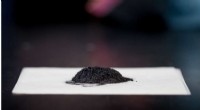
* Fixed Shape: Solids have a definite shape. This makes it easier to place them directly on a balance scale, ensuring all the solid is being measured.
* Direct Measurement: You can directly measure the mass of a solid using a balance scale.
* Container Influence: The container holding the solid doesn't typically affect the mass measurement, as long as the container's mass is negligible.
Liquids:
* No Fixed Shape: Liquids take the shape of their container. This makes it challenging to directly place them on a balance scale.
* Indirect Measurement: You need to use a container (like a beaker or graduated cylinder) to hold the liquid. You then measure the *volume* of the liquid and use its density to calculate its mass.
* Container Influence: The container's mass *does* influence the measurement. You must subtract the mass of the empty container from the total mass to find the liquid's mass alone.
Here's a simplified analogy:
* Solid: Imagine weighing a brick. You just place it directly on the scale.
* Liquid: Imagine weighing water. You need a cup to hold the water, and you'd need to know how much the cup itself weighs to determine the water's weight accurately.
In summary:
* Solids: Direct mass measurement using a balance scale.
* Liquids: Indirect mass measurement using volume and density calculations.