Physical Changes
* Definition: Alterations to the form or appearance of a substance, but not its chemical composition.
* Key Features:
* No new substances are formed. The molecules themselves remain the same.
* Often reversible. You can usually return the substance to its original state.
* Changes in state of matter (solid, liquid, gas) are common examples.
* Usually involve changes in energy (heat, light) but not necessarily.
Examples of Physical Changes:
* Melting ice: Water changes from solid to liquid, but it's still H₂O.
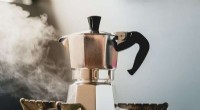
* Boiling water: Liquid water becomes steam, but it's still H₂O.
* Cutting paper: You change the shape of the paper, but it's still cellulose.
* Dissolving sugar in water: Sugar spreads out in the water, but it's still sugar molecules.
Chemical Changes
* Definition: Changes that result in the formation of new substances with different chemical compositions.
* Key Features:
* New substances are formed. The atoms are rearranged to create different molecules.
* Usually irreversible. You can't easily get the original substances back.
* Often involve changes in energy, such as heat or light.
* May produce gas, light, heat, color change, or a precipitate (solid forming from a solution).
Examples of Chemical Changes:
* Burning wood: Wood reacts with oxygen to produce ash, carbon dioxide, and water.
* Rusting iron: Iron reacts with oxygen to form iron oxide (rust).
* Baking a cake: The ingredients react with each other to form a new substance.
* Digesting food: The enzymes in your body break down food molecules into smaller molecules.
Here's a handy table to summarize:
| Feature | Physical Change | Chemical Change |
|-------------------|-----------------------------|-----------------------------|
| Substance Change | No new substances formed | New substances are formed |
| Reversibility | Often reversible | Usually irreversible |
| Energy Changes | May involve energy changes | Usually involve energy changes |
| Examples | Melting, freezing, boiling | Burning, rusting, baking |
Let me know if you'd like more details on any of these aspects!