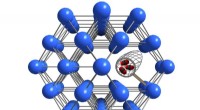
* Temperature is a measure of the average kinetic energy of the molecules in a substance. This kinetic energy includes both translational (movement from one place to another) and vibrational energy (the back-and-forth movement of atoms within molecules).
* As temperature increases, the average kinetic energy of the molecules increases. This means the molecules move faster and vibrate more intensely.
* Vibrational modes: Molecules can vibrate in different ways, depending on their structure. These are called vibrational modes. Each mode has a specific energy level.
* Higher temperatures excite more vibrational modes: As the temperature rises, more energy becomes available to excite higher vibrational modes. This means the molecules are vibrating more complexly and with greater amplitude.
Here's a simple analogy:
Imagine a tuning fork. At room temperature, it vibrates slightly. If you heat it, the vibrations become more intense, producing a louder sound. This is similar to what happens to molecules in a substance as their temperature increases.
Consequences of this relationship:
* Thermal expansion: Increased vibrations cause molecules to move farther apart, leading to expansion of the object.
* Changes in state: At higher temperatures, molecules vibrate so vigorously that they overcome the forces holding them together in a solid or liquid state, leading to melting or boiling.
* Chemical reactions: Higher temperatures can provide enough energy to break chemical bonds, facilitating chemical reactions.
In summary: Temperature is directly proportional to the average kinetic energy of molecules, and this kinetic energy includes vibrational energy. As temperature increases, molecular vibrations become more intense, leading to various physical and chemical changes in the object.