Physical Changes:
* Changes in state: Heating can cause a solid to melt into a liquid or a liquid to boil into a gas. These are physical changes because the chemical composition of the substances remains the same.
* Separation: Heating can cause components of a mixture to separate, like when water evaporates from a salt solution. This is a physical change because the salt and water are still chemically the same.
Chemical Changes:
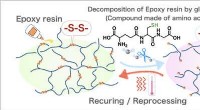
* Decomposition: Some mixtures, like certain compounds, can break down into new substances when heated. This is a chemical change because the chemical composition of the substances changes. For example, heating sugar (sucrose) can cause it to decompose into carbon and water.
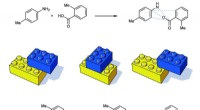
* Reaction: Heating can initiate a chemical reaction between the components of a mixture. This is a chemical change because new substances are formed. For example, heating a mixture of iron filings and sulfur can cause them to react and form iron sulfide.
In Summary:
Whether heating a mixture results in a physical or chemical change depends on the specific mixture and the temperature. If the heating causes only a change in state or separation of components without altering the chemical composition, it's a physical change. If the heating causes a decomposition or reaction leading to the formation of new substances, it's a chemical change.