Here's how it works:
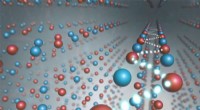
* Atoms and molecules in a material are constantly vibrating. The more heat they have, the more they vibrate.
* When a hot object comes into contact with a colder object, the hotter object's vibrating atoms and molecules transfer some of their energy to the colder object's atoms and molecules. This energy transfer causes the colder object to heat up.
* This transfer of energy occurs directly from one molecule to another, without any movement of the material itself.
Think of it like a line of dominoes: when you knock over the first one, it transfers energy to the next, and so on. This is similar to how heat is transferred through conduction.
Conduction is most efficient in solids, where the atoms are closely packed together, allowing for easy transfer of energy. It's also important to note that different materials have different thermal conductivities, meaning they conduct heat at different rates. For example, metals are good conductors of heat, while wood and plastic are poor conductors.