1. Nuclear Fission:
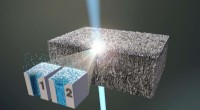
* Fuel Rods: The reactor core contains fuel rods, typically enriched uranium.
* Neutron Bombardment: Neutrons are released, striking uranium atoms and causing them to split (fission). This process releases a tremendous amount of energy in the form of heat.
* Chain Reaction: The fission process also releases more neutrons, which can trigger further fission reactions, creating a self-sustaining chain reaction.
2. Heat Transfer:
* Coolant: A coolant (usually water) circulates through the reactor core, absorbing the heat released by the fission process.
* Heat Exchanger: The hot coolant is then transferred to a heat exchanger, where it heats a separate water loop.
3. Steam Generation:
* Steam Production: The heat from the coolant turns the water in the secondary loop into steam. This steam is under high pressure.
* Turbine: The high-pressure steam is directed at a turbine, causing it to spin.
4. Electricity Generation:
* Generator: The spinning turbine is connected to a generator, which converts the mechanical energy of the turbine into electrical energy.
* Transmission: The generated electricity is then sent out to the power grid for distribution.
In Summary:
* Nuclear Fission: Splits atoms, releasing heat.
* Coolant: Absorbs the heat from the reactor core.
* Heat Exchanger: Transfers heat to a secondary water loop.
* Steam Production: Water turns into high-pressure steam.
* Turbine: Steam spins the turbine.
* Generator: Turbine's motion generates electricity.
Important Note: Nuclear power plants are complex and carefully designed to ensure safety and control the fission process. Safety systems and procedures are in place to prevent accidents and manage the radioactive waste produced.