Here's a breakdown:
* Catalyst: A substance that increases the rate of a chemical reaction without being consumed in the process. Catalysts work by providing an alternative reaction pathway with a lower activation energy.
* Activation Energy: The minimum amount of energy required for a reaction to occur.
Examples of Catalysts:
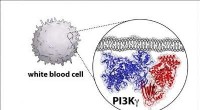
* Enzymes: Biological catalysts that speed up biochemical reactions in living organisms.
* Metals: Many metals, like platinum and nickel, act as catalysts in industrial processes.
* Acids: Certain acids can catalyze reactions, like the hydrolysis of esters.
Key Features of Catalysts:
* Not Consumed: They are not used up during the reaction.
* Lower Activation Energy: They provide an alternative pathway with less energy required.
* Specific: Catalysts often work for specific reactions or types of reactions.
* Can be Homogeneous or Heterogeneous: Homogeneous catalysts are in the same phase as the reactants (e.g., dissolved in solution), while heterogeneous catalysts are in a different phase (e.g., a solid catalyst in a liquid reaction).
Let me know if you want to know more about catalysts or their specific applications!