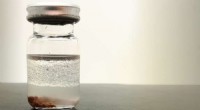
* Heterogeneous mixtures are mixtures where the components are not evenly distributed. You can usually see the different parts of the mixture.
* Homogeneous mixtures (also called solutions) are mixtures where the components are evenly distributed throughout. You can't see the different parts of the mixture.
Examples of heterogeneous mixtures:
* Sand and water: You can easily see the sand particles in the water.
* Oil and water: The oil will form a separate layer on top of the water.
* A salad: You can easily see the different ingredients, like lettuce, tomatoes, and cucumbers.
It's important to note:
* The question mentions "gaseous, liquid, solid substances". This means the mixture can include any combination of these states of matter.
* Even if the components are blended evenly, if they are not *completely* dissolved into each other, the mixture is still considered heterogeneous.
Let me know if you have any other questions!