Here's a breakdown:
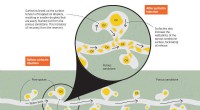
Endocytosis is a cellular process where the cell membrane engulfs material from the outside and brings it into the cell. There are three main types of endocytosis:
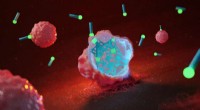
* Phagocytosis: This is the "cell eating" process where the cell engulfs large particles like bacteria, cellular debris, or even other cells.
* Pinocytosis: This is the "cell drinking" process where the cell takes in small droplets of extracellular fluid containing dissolved molecules.
* Receptor-mediated endocytosis: This process is highly specific. The cell uses receptors on its surface to bind to specific target molecules, triggering the formation of a vesicle to bring them inside.
How it works:
1. Formation of a vesicle: The cell membrane invaginates (folds inwards) around the target molecule or particle.
2. Closure of the vesicle: The invagination pinches off, creating a closed vesicle with the material enclosed within.
3. Movement within the cell: The vesicle detaches from the membrane and moves through the cytoplasm, often fusing with other organelles like lysosomes for further processing.
Examples of large molecules transported via endocytosis:
* Proteins: Many proteins, including hormones and enzymes, are too large to passively cross the cell membrane and are transported by endocytosis.
* Lipids: Fats and cholesterol, essential for cell function, are taken in by endocytosis.
* Viruses and bacteria: Some viruses and bacteria can enter cells through endocytosis.
In summary: Endocytosis is a fundamental process for cells to take in large molecules, particles, and even other cells. This process involves the formation of a vesicle to enclose the material and transport it into the cell.