Here's why:
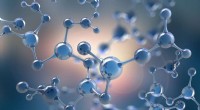
* Energy is used to break or form bonds: Phase changes involve breaking or forming intermolecular bonds. For example, when ice melts, the energy supplied goes into breaking the hydrogen bonds holding the water molecules in a solid structure.
* No increase in kinetic energy: This energy input does not increase the kinetic energy of the molecules (which is what we perceive as temperature). Instead, it's used to change the state of matter.
* Plateau on heating curves: This constant temperature during phase change is reflected in the plateau seen on heating curves, where the temperature remains stable even though heat is still being added.
Examples:
* Melting: Ice melting into water.
* Boiling: Water boiling into steam.
* Freezing: Water freezing into ice.
* Condensation: Steam condensing into water.
Let me know if you'd like more detail on any of these processes!