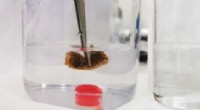
1. Electrochemical Reactions: The fruit's acidic juice acts as an electrolyte, allowing ions to move. When the dissimilar metals (like copper and zinc) are placed in the juice, a chemical reaction occurs at the surface of each metal.
* Oxidation: One metal (typically the more reactive one, like zinc) loses electrons, becoming positively charged (oxidized).
* Reduction: The other metal (like copper) gains electrons, becoming negatively charged (reduced).
2. Electron Flow: The difference in charge between the two metals creates a potential difference, driving electrons to flow from the negatively charged metal to the positively charged metal. This flow of electrons is what we perceive as an electric current.
3. Fruit as an Electrolyte: The fruit's acidic juice provides the necessary ions to facilitate the flow of electrons. The acidity of the juice is crucial; the more acidic it is, the stronger the current.
It's not just about the metals:
* The acidity of the fruit: The more acidic the fruit, the stronger the current.
* The type of metals: Different metals have varying reactivity. Copper and zinc are often used because they have a significant difference in reactivity, resulting in a stronger current.
* Surface area of the metals: Larger surface areas in contact with the electrolyte allow for more reactions, potentially leading to a stronger current.
Important Note: The current produced by a fruit battery is extremely weak and can only power very small devices. It's more of a demonstration of electrochemical principles than a practical power source.