Here's why:
* Conduction: While conduction does occur in gases, it's much less efficient than in solids or liquids. This is because gas molecules are further apart, leading to less frequent collisions and energy transfer.
* Convection: This involves the movement of heated gas molecules, carrying heat energy with them. As gas is heated, it expands, becomes less dense, and rises. Cooler, denser gas sinks to replace it, creating a continuous cycle of heat transfer. This is how hot air balloons work, for example.
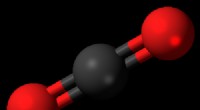
* Radiation: Gases can also transfer heat through radiation, especially if they contain molecules that absorb and emit infrared radiation. However, convection is generally the dominant mode of heat transfer in gases.
In summary: While all three modes of heat transfer (conduction, convection, and radiation) can occur in gases, convection is the most significant and prevalent method.