Common Insulators:
* Air: Air is a very good insulator, which is why double-paned windows and thick walls filled with insulation are effective at preventing heat loss.
* Fiberglass: Commonly used in building insulation due to its low thermal conductivity and high resistance to heat flow.
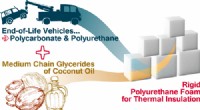
* Foam: Materials like polystyrene (Styrofoam) and polyurethane are excellent insulators due to the many trapped air pockets within their structure.
* Wood: A natural insulator with good thermal resistance, often used for building materials.
* Rubber: Used in many applications requiring thermal insulation, such as electrical insulation and gloves.
* Plastic: Many types of plastic are good insulators, used in packaging, clothing, and other applications.
* Wool: A natural fiber with good insulating properties, often used in clothing and blankets.
* Down: A very effective insulator due to its ability to trap air.
* Cork: A natural material with a high thermal resistance, often used for insulation and flooring.
* Ceramic: Many ceramics are good insulators, used in ovens, furnaces, and other high-temperature applications.
Why are they good insulators?
Insulators are poor conductors of heat because their molecules are tightly bound together and have limited freedom to vibrate. This restricts the transfer of heat energy through the material.
Important Note: The effectiveness of an insulator can depend on several factors, including:
* Density: Denser materials generally have better heat conductivity.
* Temperature: Some materials change their insulating properties with temperature.
* Thickness: Thicker layers of insulation provide better resistance to heat flow.
Let me know if you'd like more detail about specific insulators or their applications!