Here's a breakdown:
* Ions: Atoms or molecules that carry an electric charge. This charge can be positive (cations) or negative (anions).
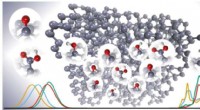
* Formation: Electrolytes form when certain compounds dissolve in water and their molecules break apart into ions.
* Examples: Common electrolytes include sodium (Na+), potassium (K+), chloride (Cl-), magnesium (Mg2+), calcium (Ca2+), and bicarbonate (HCO3-).
In simpler terms: Electrolytes are like charged particles that are dissolved in liquids, like water. They're essential for many important bodily functions, like muscle contractions, nerve impulses, and fluid balance.