1. Molecular Structure:
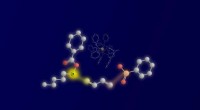
* Polycarbonate is a polymer: It's made up of long chains of repeating units called monomers.
* The monomer unit: In polycarbonate, the monomer unit is a bisphenol A (BPA) molecule joined with a carbonate group (-O-CO-O-). This structure creates a strong, rigid backbone.
2. Key Properties:
* High Impact Resistance: The long, flexible chains in the polymer can absorb and dissipate impact energy, making polycarbonate highly resistant to breaking or shattering.
* Transparency: The regular arrangement of the polymer chains allows light to pass through with minimal scattering, giving polycarbonate its transparent quality.
* Heat Resistance: Polycarbonate can withstand high temperatures without deforming or losing its strength. This is due to the strong carbon-oxygen bonds in the carbonate group.
* Light Weight: Polycarbonate is relatively lightweight compared to other strong materials, making it suitable for various applications.
* Flame Retardancy: Polycarbonate can be modified to resist fire by adding flame retardants.
3. How it Works:
* Flexibility and Strength: The long chains in polycarbonate can move and bend, absorbing impact energy. The strong carbonate groups create strong bonds between the chains, contributing to its overall strength.
* Transparency: The arrangement of polymer chains allows light to pass through with little scattering.
* Heat Resistance: The strong bonds in the carbonate group withstand high temperatures, making polycarbonate heat resistant.
* Chemical Resistance: Polycarbonate is resistant to many chemicals, making it suitable for a range of applications.
4. Applications:
Polycarbonate's unique properties make it ideal for a wide range of applications:
* Safety Glasses: Its high impact resistance makes it ideal for safety glasses, goggles, and visors.
* Compact Discs (CDs) and DVDs: The transparency and strength make it perfect for optical media.
* Automotive Components: Used in car headlights, dashboards, and other interior parts due to its strength and heat resistance.
* Construction: Polycarbonate sheets are used for roofing, glazing, and other building applications.
* Medical Devices: Polycarbonate's biocompatibility makes it suitable for medical devices like syringes and blood tubes.
In summary, polycarbonate's remarkable properties stem from the unique arrangement of its molecules, leading to a strong, transparent, and versatile material with a wide range of applications.