Understanding Thermal Expansion
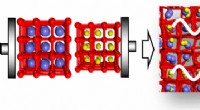
* The Basics: All solids expand when heated and contract when cooled. This is due to the increased vibration of atoms within the material, causing them to occupy more space.
* Factors Affecting Expansion:
* Material: Different materials expand at different rates. Steel expands more than aluminum, for example.
* Temperature Change: The larger the temperature change, the greater the expansion.
* Original Size: Larger objects expand more than smaller ones, even with the same temperature change.
Compensation Strategies
1. Design Considerations:
* Expansion Gaps: Leave deliberate gaps in structures or components to allow for expansion and contraction. This is commonly seen in bridge decks, railroad tracks, and building facades.
* Flexible Connections: Use flexible materials or connections to accommodate expansion and prevent stress buildup. This might include expansion joints in roadways, bellows in pipes, or flexible couplings in machinery.
* Pre-Stressing: In some cases, materials are intentionally pre-stressed to counteract expansion. This can be done by applying tension to structures like bridges to anticipate thermal expansion.
2. Materials Selection:
* Low Thermal Expansion Materials: Choose materials that have a low coefficient of thermal expansion (CTE) for applications where minimal expansion is desired. Examples include:
* Invar (Nickel-iron alloy): Known for extremely low thermal expansion.
* Ceramics: Many ceramics have low expansion rates.
* Composite Materials: Engineered to have specific expansion properties.
3. Temperature Control:
* Insulation: Reducing the temperature difference across a structure or component can significantly reduce expansion.
* Cooling Systems: Using cooling systems to maintain a consistent temperature can prevent excessive expansion.
4. Compensating Mechanisms:
* Bimetallic Strips: Made of two different metals with different CTEs. As temperature changes, the strip bends due to unequal expansion, which can be used to trigger switches or control devices.
* Expansion Loops: Used in pipes and other systems to accommodate expansion by creating a loop that allows for movement.
Examples
* Bridges: Expansion gaps are incorporated into bridge decks to allow for movement due to temperature changes.
* Railroad Tracks: Small gaps between rails allow for expansion and contraction without buckling.
* Piping Systems: Expansion loops are used to accommodate expansion in long pipelines.
* Precision Instruments: Invar is used in instruments where minimal expansion is crucial.
Key Points
* Understanding the Coefficient of Thermal Expansion (CTE) for the materials used is essential.
* The specific compensation strategy will depend on the application, temperature range, and material properties.
* Thorough design and engineering calculations are necessary to ensure proper compensation for thermal expansion.