Water's Unique Thermal Properties:
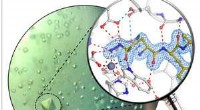
* Density Anomaly: Water reaches its maximum density at 4°C. As it cools further, it actually becomes *less* dense. This is due to the hydrogen bonding structure of water molecules. As water cools, the molecules slow down and arrange themselves into a more ordered, crystalline structure. This structure, however, takes up more space, causing the density to decrease.
* Expansion upon Freezing: This density anomaly leads to the unusual property that water expands when it freezes. This is why ice floats.
* High Specific Heat Capacity: Water has a very high specific heat capacity. This means it takes a lot of energy to raise the temperature of water. This is also due to the strong hydrogen bonds between water molecules, which require extra energy to break.
Alcohol's Thermal Properties:
* Typical Density Behavior: Alcohol, like most liquids, becomes denser as it cools. This is because the molecules slow down, pack closer together, and occupy less space.
* Contraction upon Freezing: Unlike water, alcohol contracts upon freezing.
Comparing Water and Alcohol:
| Property | Water | Alcohol |
|---|---|---|
| Density at 4°C | Maximum | Typical |
| Density from 4°C to 0°C | Decreases | Increases |
| Behavior Upon Freezing | Expands | Contracts |
| Specific Heat Capacity | High | Lower |
Implications:
* Freezing Lakes: The density anomaly of water is crucial for life in cold climates. When a lake freezes, the ice floats, forming a protective layer on the surface. This insulates the water below, allowing aquatic life to survive.
* Biological Systems: Water's high specific heat capacity helps to regulate temperatures in living organisms.
Conclusion:
Water's unique thermal properties, stemming from its hydrogen bonding, make it an exceptional substance compared to most other liquids, including alcohol. These properties have profound implications for both the natural world and biological systems.