1. Molecular Vibrations:
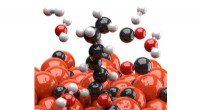
* CO₂ molecules are linear, with two oxygen atoms bonded to a central carbon atom. These bonds can vibrate in different ways, known as vibrational modes.
* Infrared radiation has the right energy to excite these vibrational modes.
2. Asymmetric Stretching:
* The most important mode for CO₂'s infrared absorption is the asymmetric stretching mode.
* In this mode, one C-O bond stretches while the other contracts simultaneously.
* This asymmetric vibration creates a changing dipole moment in the molecule.
3. Dipole Moment and Absorption:
* For a molecule to absorb infrared radiation, it needs to have a changing dipole moment.
* The asymmetric stretching of CO₂ creates this changing dipole moment, allowing it to absorb infrared radiation.
4. Greenhouse Effect:
* The absorbed infrared radiation increases the energy of the CO₂ molecule. This energy is then re-emitted, but some of it is re-radiated back towards Earth, contributing to the greenhouse effect.
5. Importance of CO₂:
* CO₂'s ability to absorb infrared radiation is critical to the Earth's climate system.
* It plays a major role in trapping heat and keeping the planet warm enough to support life.
In summary:
The absorption of infrared radiation by CO₂ causes the molecule to vibrate, particularly in its asymmetric stretching mode. This vibration creates a changing dipole moment, enabling CO₂ to absorb infrared radiation and contribute to the greenhouse effect.