Advantages of Mercury:
* High Coefficient of Thermal Expansion: Mercury expands significantly with increasing temperature, making it very sensitive to even small temperature changes. This allows for accurate readings.
* Wide Liquid Range: Mercury remains liquid over a wide temperature range (-38.83 °C to 356.7 °C), suitable for many applications.
* Inert: Mercury is chemically inert, meaning it doesn't react with most materials it comes into contact with, ensuring consistent readings.
* High Density: This allows for a thin capillary tube, improving the thermometer's responsiveness.
* Opaque: Mercury is opaque, making it easy to read the level against a background.
Disadvantages of Mercury:
* Toxicity: Mercury is highly toxic, posing a significant health hazard if the thermometer breaks.
* Environmental Concerns: Mercury is a heavy metal and can contaminate the environment.
Alternatives to Mercury:
Due to the risks associated with mercury, alternative liquids are being used in thermometers:
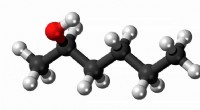
* Alcohol: Colored alcohol, often red, is used in many thermometers. It's less toxic than mercury but has a lower coefficient of thermal expansion, making it less sensitive.
* Galinstan: This is a gallium-indium-tin alloy that is liquid at room temperature, non-toxic, and has a similar thermal expansion to mercury. However, it is more expensive.
Conclusion:
While mercury remains a preferred liquid due to its properties, its toxicity and environmental impact have led to the adoption of safer alternatives. The choice of liquid ultimately depends on the specific application and its associated risks.