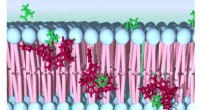
* No new substances are formed: When something dissolves, the molecules of the solute (the substance being dissolved) simply spread out and become surrounded by molecules of the solvent (the substance doing the dissolving). The chemical composition of both the solute and solvent remains the same.
* The change is reversible: You can usually get the original substance back by evaporating the solvent. For example, if you dissolve sugar in water, you can evaporate the water and recover the sugar crystals.
Examples of Physical Changes:
* Dissolving sugar in water
* Melting ice
* Boiling water
* Cutting paper
Examples of Chemical Changes:
* Burning wood
* Rusting iron
* Baking a cake
* Cooking an egg
In chemical changes, new substances are formed with different properties than the original substances. These changes are usually irreversible.