Laboratory instruments are essential tools used in scientific research, experimentation, and analysis. They provide accurate measurements, control experimental conditions, and facilitate the observation and manipulation of samples. Here are some common laboratory instruments categorized by their function:
1. Measurement Instruments:
* Balances: Used to determine the mass of substances. Types include analytical balances (high precision), top-loading balances (general purpose), and microbalances (ultra-high precision).
* Thermometers: Measure temperature. Types include mercury thermometers, digital thermometers, and infrared thermometers.
* Spectrophotometers: Measure the absorbance or transmission of light through a sample, used for chemical analysis and quantification.
* pH meters: Measure the acidity or alkalinity of solutions.
* Conductivity meters: Measure the electrical conductivity of a solution, indicating the presence of ions.
* Micrometers: Measure small distances or diameters.
* Calipers: Measure the thickness, diameter, or length of objects.
* Rulers: Used for measuring length and distances.
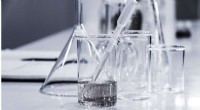
* Graduated cylinders: Measure the volume of liquids.
* Beakers: General-purpose containers for holding and mixing liquids.
* Erlenmeyer flasks: Conical flasks used for mixing and storing liquids.
* Volumetric flasks: Precisely measure specific volumes of liquids.
* Pipettes: Transfer and measure specific volumes of liquids.
2. Separation and Purification Instruments:
* Centrifuges: Separate substances based on density.
* Filters: Separate solid particles from liquids or gases.
* Chromatography systems: Separate mixtures based on different properties, such as solubility, volatility, or size.
* Distillation apparatus: Separate liquids based on their boiling points.
* Drying ovens: Remove moisture from samples.
3. Sample Preparation and Handling Instruments:
* Mortar and pestle: Grind solid samples into finer particles.
* Homogenizers: Blend and mix samples to achieve homogeneity.
* Sonicators: Use sound waves to disrupt cell walls or break down molecules.
* Autoclaves: Sterilize equipment and materials.
* Incubators: Provide controlled temperature environments for growing cultures or conducting reactions.
4. Analytical Instruments:
* Microscopes: Magnify small objects for visual examination.
* Mass spectrometers: Identify and quantify molecules based on their mass-to-charge ratio.
* Gas chromatographs: Separate and analyze volatile compounds.
* Liquid chromatographs: Separate and analyze non-volatile compounds.
* X-ray diffractometers: Determine the crystal structure of materials.
5. Other Laboratory Instruments:
* Stirring plates: Provide magnetic stirring for solutions.
* Water baths: Provide controlled temperature environments for reactions or incubations.
* Fume hoods: Protect users from hazardous fumes or gases.
* Safety equipment: Gloves, goggles, lab coats, fire extinguishers, etc., ensure safety in the laboratory.
This is not an exhaustive list, as there are many other specialized laboratory instruments used in different disciplines.