Here's a breakdown of how it happens:
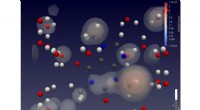
* Water molecules in the air: Water vapor is simply water in its gaseous state. These water molecules are constantly moving around, bumping into each other.
* Cooling: As the air cools, the water molecules slow down. This causes them to lose energy and move closer together.
* Attraction: Water molecules are attracted to each other through a force called hydrogen bonding. As they get closer, this attraction becomes stronger.
* Formation of droplets: Eventually, the attraction between the molecules becomes strong enough to overcome the energy they have, and they start to clump together. These clumps form tiny liquid water droplets.
* Cloud formation: When enough water vapor condenses, it forms clouds.
Factors that affect condensation:
* Temperature: Cooler temperatures favor condensation.
* Air pressure: Higher air pressure forces molecules closer together, promoting condensation.
* Presence of condensation nuclei: These are tiny particles in the air (like dust, pollen, or salt) that provide surfaces for water vapor to condense on.
Examples of condensation:
* Dew forming on grass: Cool overnight temperatures cause water vapor in the air to condense on the cooler grass.
* Fog: Condensation near the ground forms fog when air is cooled by the surface.
* Rain: When water vapor in clouds condenses into larger droplets, they become heavy enough to fall as rain.
Condensation is a crucial process in the water cycle, constantly moving water from the atmosphere back to the Earth's surface.