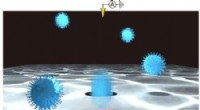
* Energy and Molecular Motion: The energy of a substance is directly related to the movement of its molecules. The more the molecules move and vibrate, the higher the energy.
* States of Matter:
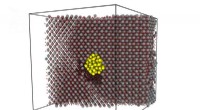
* Solids: Molecules in solids are tightly packed and have limited movement. They vibrate in fixed positions.
* Liquids: Molecules in liquids have more freedom to move around each other. They can translate, rotate, and vibrate, resulting in more energy.
* Gases: Molecules in gases have the most freedom. They move rapidly in all directions, collide with each other, and are far apart. This gives gases the highest energy levels.
Here's an analogy: Imagine a bunch of people in a crowded elevator (solid). They can barely move. Now imagine them in a crowded train (liquid). They can move around, but their movements are still limited. Finally, imagine them in a large open field (gas). They can move freely and run in all directions.
In summary:
* Solids have the least energy because their molecules have the least movement.
* Liquids have more energy than solids because their molecules have more freedom of movement.
* Gases have the most energy because their molecules move the most freely.
This is why it takes energy to melt a solid into a liquid or to vaporize a liquid into a gas. You are adding energy to the molecules, increasing their movement, and changing their state.