1. Absorption of Energy:
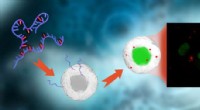
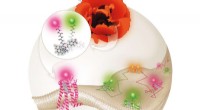
* UV Light Interaction: UV light, with its higher energy photons, interacts with the electrons in the fluorescent substance.
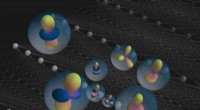
* Excitation: The electrons in the substance absorb the energy from the UV photons, causing them to jump to a higher energy level (excited state).
2. Energy Relaxation and Emission:
* Excited State Instability: The excited state is unstable. The electrons quickly seek to return to their ground state (lower energy level).
* Energy Release: As the electrons drop back to their ground state, they release the absorbed energy as light. This emitted light is typically at a lower energy (longer wavelength) than the UV light that initially excited them.
* Fluorescence Emission: This released energy is the visible light we perceive as fluorescence. The color of the fluorescence depends on the specific energy difference between the excited and ground states of the electrons.
Visual Analogy:
Imagine a ball bouncing up a set of stairs (representing energy levels). When the ball is pushed with enough force (UV light), it reaches a higher step (excited state). But, it quickly rolls back down (energy release) emitting light as it passes each step on the way back down (fluorescence).
Key Points:
* Not All Substances Fluoresce: Only specific substances possess molecules with the right energy levels to absorb UV light and then emit visible light.
* Delayed Fluorescence: In some cases, the energy release can be delayed for a short time, resulting in a phenomenon called "phosphorescence."
Let me know if you'd like a more detailed explanation of any specific aspect of this process!