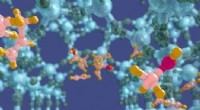
* Intermolecular Forces: Molecules in a liquid have weaker intermolecular forces (like hydrogen bonds, dipole-dipole interactions, or London dispersion forces) compared to molecules in a solid. This means they have more freedom to move around.
* Kinetic Energy: The weaker forces in liquids allow molecules to have higher kinetic energy (energy of motion). This means they are vibrating, rotating, and translating more readily than molecules in a solid.
* Heat of Fusion: To change a solid to a liquid, you need to add energy (heat) to break those stronger intermolecular forces holding the solid together. This energy is absorbed by the substance and becomes part of its internal energy.
Think of it this way:
Imagine a group of people huddled tightly together in a cold room (solid state). They are all holding onto each other and barely moving. Now, imagine the room warms up (adding heat energy). The people start to move around more, break free from some of their tight holds, and they are now more spread out (liquid state). They have more energy now, allowing for greater movement.
Equilibrium:
When a solid and liquid are in equilibrium, it means the rate of melting (solid to liquid) is equal to the rate of freezing (liquid to solid). At this point, the energy content of the liquid and solid phases is the same, but the liquid molecules have a greater *distribution* of energy due to their weaker forces and increased mobility.