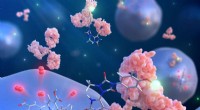
1. Energy Transfer: When molecules collide, they can exchange energy. This can involve changes in:
* Kinetic energy: This is the energy of motion. The molecules may bounce off each other with different speeds, transferring kinetic energy.
* Potential energy: This is the energy stored within the molecule due to its bonds and structure. The collision can excite vibrational or rotational modes within the molecules, changing their potential energy.
2. Momentum Transfer: Momentum is a measure of mass in motion. During a collision, momentum is transferred between the colliding molecules. This can cause a change in their direction and speed.
These two factors can influence a wide range of chemical and physical processes, including:
* Reaction rates: The energy transferred during collisions can provide the activation energy needed for a reaction to occur.
* Heat transfer: Collisions transfer kinetic energy, which contributes to the overall temperature of a substance.
* Diffusion: Collisions between molecules cause them to move in random directions, leading to diffusion.
* Gas pressure: Collisions between gas molecules exert pressure on the walls of their container.
It's important to remember that molecular collisions can be very complex and influenced by various factors like the temperature, pressure, and type of molecules involved.