* Size: Chlorine is smaller than iodine. This means the outermost electron in chlorine is closer to the nucleus, experiencing a stronger electrostatic attraction. This stronger attraction makes it more favorable for chlorine to gain an electron.
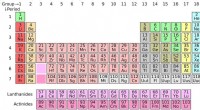
* Effective Nuclear Charge: Chlorine has a higher effective nuclear charge (the net positive charge experienced by the valence electrons) than iodine. This is because the core electrons in chlorine are better at shielding the valence electrons from the nucleus compared to iodine. The higher effective nuclear charge in chlorine also contributes to a stronger attraction for an incoming electron.
* Electron-Electron Repulsions: As you move down the periodic table, electron shells are added, increasing the number of electrons in an atom. The increased number of electrons in iodine leads to greater electron-electron repulsions, making it less favorable to add another electron.
In summary:
* Smaller size and higher effective nuclear charge in chlorine lead to a stronger attraction for an electron.
* Increased electron-electron repulsions in iodine make it less favorable to gain an electron.
This combination of factors results in a higher electron affinity for chlorine compared to iodine.