Here's a breakdown:
* Thermal energy: The energy associated with the random motion of atoms and molecules within a substance.
* Fluid: A substance that can flow (liquids and gases).
* Convection: The process where heat is transferred through the movement of fluids. Warmer, less dense fluid rises, while cooler, denser fluid sinks, creating a cycle of movement.
How it works:
1. Heating: When a fluid is heated, the molecules gain energy and move faster, causing the fluid to expand and become less dense.
2. Buoyancy: The less dense, warm fluid rises due to buoyancy.
3. Cooling: As the warm fluid rises, it cools, becoming denser and sinking.
4. Cycle: This continuous cycle of rising warm fluid and sinking cool fluid creates a convection current, transferring heat from the hotter region to the cooler region.
Examples of convection:
* Boiling water: Heat from the stove bottom warms the water at the bottom of the pot, causing it to rise. Cooler water sinks to replace it, creating a convection current.
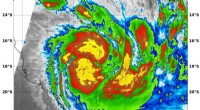
* Weather patterns: The sun heats the Earth's surface, causing warm air to rise. Cooler air from higher altitudes sinks, creating wind and weather patterns.
* Radiators: Hot water in radiators warms the air around them, creating convection currents that distribute heat throughout a room.
Key takeaway: Convection is an efficient way to transfer heat, especially over long distances. It's a crucial process in many natural and technological systems.