Electrolysis is a process that uses electricity to split water (H₂O) into its constituent elements: hydrogen (H₂) and oxygen (O₂).
* Hydrogen is a combustible gas that can be used as a fuel.
* Oxygen is a necessary component for combustion.
Therefore, electrolysis itself doesn't directly use water as a fuel. Instead, it is used to produce hydrogen, which can then be used as a fuel.
Here's a breakdown:
1. Electrolysis: You input electrical energy into water, breaking it down into hydrogen and oxygen.
2. Hydrogen Storage: The hydrogen gas needs to be stored for later use.
3. Combustion: When you burn the hydrogen, you combine it with oxygen, releasing energy (heat).
Challenges and Considerations:
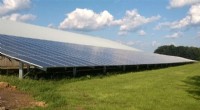
* Energy Input: Electrolysis requires a significant amount of energy to split water. This energy usually comes from sources like electricity generated from fossil fuels, making the process less environmentally friendly.
* Storage and Transportation: Storing and transporting hydrogen can be challenging due to its low density and flammability.
* Efficiency: The overall efficiency of the process (energy input vs. energy output) is not yet as high as other energy sources.
Overall, while electrolysis can produce hydrogen, which is a potential fuel source, it's not a direct way to use water as fuel. Research and development are ongoing to improve the efficiency and feasibility of hydrogen as a fuel.