Here's how it works:
* Molecular Motion: Molecules in a fluid are constantly in motion, colliding with each other and transferring energy.
* Temperature Differences: When there's a temperature difference within the fluid, hotter regions have faster-moving molecules with more energy.
* Fluid Movement: The faster-moving, hotter molecules collide with slower-moving, cooler molecules, transferring energy. This causes the warmer, less dense fluid to rise, while the cooler, denser fluid sinks. This creates a continuous circulation pattern, called convection currents.
Types of Convection:
* Natural convection: Driven by density differences caused by temperature variations. Think of boiling water, where hot water rises and cooler water sinks.
* Forced convection: Driven by external forces like fans or pumps. Examples include air conditioning systems and radiators.
Convection is an important process in many natural phenomena and technological applications, including:
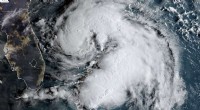
* Weather: Formation of clouds, wind patterns, and heat transfer in the atmosphere.
* Ocean currents: Distribution of heat around the globe.
* Cooling systems: Refrigerators, air conditioners, and car engines.
* Heating systems: Radiant heaters, fireplaces, and central heating systems.