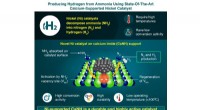
The Reaction:
N₂ + 3H₂ → 2NH₃
Explanation:
* Balancing the Equation: You need three molecules of hydrogen (3H₂) to react with one molecule of nitrogen (N₂) to produce two molecules of ammonia (2NH₃). This is because the number of atoms of each element must be the same on both sides of the equation.
* Chemical Bonds: Nitrogen and hydrogen are both diatomic gases, meaning they exist as pairs of atoms (N₂ and H₂). To form ammonia, these bonds must be broken, and new bonds must form between nitrogen and hydrogen atoms.
* Energy Requirements: This reaction requires energy input to break the existing bonds. It's typically done under high pressure and temperature in the presence of a catalyst.
In Summary:
While N₂ and H₂ are the ingredients for making ammonia, the reaction involves more than just adding them together. It requires a specific ratio of reactants, breaking and forming chemical bonds, and the use of specific conditions to achieve the desired outcome.