1. The Big Bang:
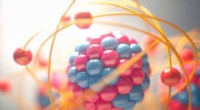
* During the Big Bang, the universe was extremely hot and dense. As the universe expanded and cooled, protons and neutrons formed, and eventually, protons captured electrons to form hydrogen atoms. This is the origin of the vast majority of hydrogen in the universe.
2. Stellar Fusion:
* Inside stars, hydrogen atoms fuse together to form helium in a process called nuclear fusion. This releases tremendous amounts of energy, which makes stars shine. This process also creates some heavier elements, but the vast majority of hydrogen in the universe remains in the form of stars and interstellar gas clouds.
3. Nuclear Reactions:
* Some hydrogen is created in nuclear reactions, such as the fission of uranium in nuclear power plants. This process produces a small amount of hydrogen as a byproduct.
4. Chemical Reactions:
* Hydrogen can be produced through various chemical reactions, such as the electrolysis of water (splitting water into hydrogen and oxygen using electricity).
5. Industrial Production:
* Hydrogen is also produced industrially through various methods, including the steam reforming of natural gas (methane), and the gasification of coal.
In summary, the creation of hydrogen can be categorized as follows:
* Natural Processes: Big Bang nucleosynthesis, stellar fusion
* Nuclear Reactions: Fission in nuclear power plants
* Chemical Processes: Electrolysis of water, steam reforming of natural gas, coal gasification
Let me know if you'd like more detail on any of these processes.