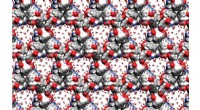
* Metallic Bonding: Zinc, like other metals, is held together by metallic bonds. In these bonds, the outer electrons of zinc atoms are delocalized, meaning they are free to move throughout the entire metal structure. This creates a "sea of electrons" that holds the positively charged zinc ions together.
* Thermal Energy: When heat is applied to zinc, the atoms within the structure absorb this thermal energy. This energy causes the atoms to vibrate more vigorously.
* Bond Breaking: As the vibrations become more intense, they overcome the attractive forces of the metallic bonds. Eventually, the bonds break, and the fixed structure of the solid zinc collapses.
* Liquid State: The zinc atoms, no longer held rigidly in place, are able to move freely past each other, transitioning into the liquid state.
Key takeaway: The melting of zinc is a result of the disruption of the metallic bonds that hold its structure together. This disruption occurs when enough thermal energy is supplied to overcome the attractive forces between the atoms.