1. Energy Input:
* Heat: Providing heat energy increases the kinetic energy of the molecules, causing them to vibrate more vigorously. This increased vibration can weaken the bonds, making them more susceptible to breaking.
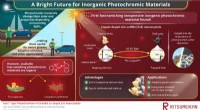
* Light: Certain wavelengths of light can have enough energy to break bonds directly, as seen in photochemical reactions.
* Electricity: Applying an electrical current can provide the necessary energy to break bonds, as in electrolysis.
2. Collision with other molecules:
* Reactants: When reactants collide with sufficient energy and proper orientation, their bonds can break, allowing new bonds to form with other reactants. This is the basis of many chemical reactions.
* Catalyst: Catalysts lower the activation energy needed for a reaction to occur, increasing the likelihood of bond breaking and formation at lower temperatures.
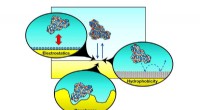
3. Electrostatic Interactions:
* Polarity: Molecules with strong dipoles can influence the electron distribution in other molecules, weakening existing bonds and facilitating new bond formation.
* Ionization: The creation of ions (charged species) can disrupt existing electrostatic attractions within a molecule, leading to bond breaking.
4. Bond Strength:
* Weak bonds: Bonds like hydrogen bonds and Van der Waals forces are relatively weak and can break easily with small energy inputs.
* Strong bonds: Covalent bonds, particularly those involving highly electronegative atoms, are generally strong and require significant energy input to break.
5. Entropic Considerations:
* Favorable products: If the products of a reaction are more stable (lower energy) than the reactants, the reaction will proceed, even if some energy is needed to break the bonds in the reactants.
In summary, the breaking of chemical bonds during a reaction is a complex interplay of energy input, molecular collisions, electrostatic interactions, bond strength, and entropic considerations. The specific mechanism for bond breaking will vary depending on the specific reaction and its conditions.