Common Household Compounds:
* Water (H₂O): The most common compound, made of hydrogen and oxygen.
* Table Salt (NaCl): Sodium chloride, a combination of sodium and chlorine.
* Sugar (C₁₂H₂₂O₁₁): A complex carbohydrate made of carbon, hydrogen, and oxygen.
* Baking Soda (NaHCO₃): Sodium bicarbonate, used in baking and cleaning.
* Vinegar (CH₃COOH): Acetic acid, diluted with water.
* Ethanol (C₂H₅OH): Found in alcoholic beverages.
Organic Compounds:
* Glucose (C₆H₁₂O₆): A simple sugar, a major source of energy for living organisms.
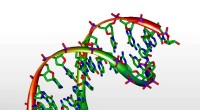
* DNA (Deoxyribonucleic acid): The genetic material of living organisms.
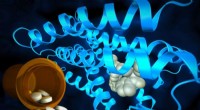
* Proteins: Complex molecules composed of amino acids, essential for many biological functions.
* Fats and Oils: Lipids, used for energy storage and insulation.
Inorganic Compounds:
* Carbon Dioxide (CO₂): A greenhouse gas produced by respiration and combustion.
* Ammonia (NH₃): Used in fertilizers and cleaning products.
* Sulfuric Acid (H₂SO₄): A strong acid used in industry.
* Sodium Hydroxide (NaOH): A strong base used in cleaning and manufacturing.
* Iron Oxide (Fe₂O₃): Rust, a compound formed by the reaction of iron with oxygen.
Compounds with Specific Properties:
* Aspirin (C₉H₈O₄): A pain reliever and fever reducer.
* Caffeine (C₈H₁₀N₄O₂): A stimulant found in coffee, tea, and other beverages.
* Penicillin (C₁₆H₁₈N₂O₄S): An antibiotic used to treat bacterial infections.
Important Notes:
* Compounds are always made up of two or more different elements chemically bonded together.
* The properties of a compound are different from the properties of the elements that make it up. For example, water is a liquid at room temperature, while hydrogen and oxygen are both gases.
* There are millions of known compounds, and new ones are being discovered all the time.
This list provides a starting point, and there are countless other compounds out there. Remember that every compound has a unique chemical formula and properties!