1. Structure and Function:
* Macromolecules: Life is based on four major types of organic compounds: carbohydrates, lipids (fats), proteins, and nucleic acids. These are called macromolecules because they're large complex molecules made up of smaller subunits.
* Carbohydrates: Provide energy, form structural components (like cell walls in plants), and are involved in cell recognition.
* Lipids: Store energy, form cell membranes, and act as hormones.
* Proteins: Enzymes that catalyze reactions, structural components (like hair and skin), hormones, antibodies, and more.
* Nucleic acids: Carry genetic information (DNA), and help make proteins (RNA).
2. Chemical Reactions:
* Metabolic Processes: Life is a complex series of chemical reactions. Compounds are the reactants and products of these reactions, enabling energy production, nutrient processing, and waste removal.
3. Environmental Regulation:
* Homeostasis: Living organisms maintain a stable internal environment (homeostasis). Compounds help regulate temperature, pH, and fluid balance, keeping cells and systems functioning optimally.
* Adaptation: The specific compounds found in an organism often contribute to its ability to survive in a particular environment.
4. Diversity of Life:
* Variety: The wide variety of compounds found in nature contributes to the incredible biodiversity of life on Earth. Different organisms have different combinations of compounds, leading to unique characteristics and adaptations.
Examples:
* Water (H₂O): The most abundant compound in living organisms, crucial for cell function, transport, and temperature regulation.
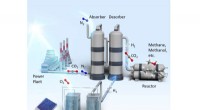
* Carbon Dioxide (CO₂): A key ingredient in photosynthesis, the process by which plants convert light energy into chemical energy.
* Glucose (C₆H₁₂O₆): A simple sugar that provides energy for cells.
* DNA (Deoxyribonucleic acid): Contains the genetic code that determines an organism's traits.
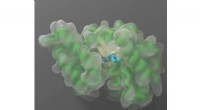
* Hemoglobin: A protein in red blood cells that carries oxygen throughout the body.
In essence, compounds are the molecular building blocks, the chemical tools, and the fundamental components that allow life to exist, thrive, and evolve on Earth.