Supersaturation Explained:
* Solubility: Every substance has a limit to how much it can dissolve in a given solvent (like water) at a specific temperature. This limit is called its solubility.
* Supersaturation: A supersaturated solution holds *more* solute than its solubility limit at a given temperature. This is a precarious state – the solution is unstable and wants to return to its normal saturated state.
* Triggering Crystallization: Even the slightest disturbance can trigger crystallization in a supersaturated solution. This could be adding a seed crystal, shaking the container, or even a change in temperature.
Why adding more sodium thiosulfate triggers crystallization:
1. Excess Solute: Adding more sodium thiosulfate increases the concentration of the solute in the solution. This pushes the solution even further beyond its solubility limit.
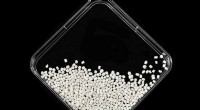
2. Nucleation Sites: The added sodium thiosulfate itself can act as nucleation sites. These are tiny points where the solute molecules can start to clump together and form crystal structures.
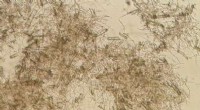
3. Chain Reaction: Once a few crystals start to form, they act as seeds for further crystallization. The presence of these crystals makes it easier for more solute molecules to attach to them and grow the crystals.
In short: Adding more sodium thiosulfate to an already supersaturated solution provides the "extra push" needed to overcome the instability and trigger the crystallization process. The excess solute and the added sodium thiosulfate acting as nucleation sites start a cascade of crystal formation.