Understanding the Reactivity Series
Metals have varying tendencies to lose electrons and form positive ions. This tendency is represented by the reactivity series, which lists metals in order of decreasing reactivity.
* Highly Reactive Metals: These metals readily lose electrons and form positive ions. They can displace less reactive metals from their solutions.
* Less Reactive Metals: These metals hold onto their electrons more tightly and are less likely to form ions.
The Reactions
* Zinc and Copper Sulfate: Zinc is more reactive than copper. When zinc metal is placed in a copper sulfate solution, the following reaction occurs:
```
Zn(s) + CuSO₄(aq) → ZnSO₄(aq) + Cu(s)
```
* Zinc displaces copper from the solution, forming zinc sulfate (ZnSO₄) and copper metal.
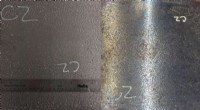
* The copper metal deposited on the zinc has a characteristic pinky-brown color.
* Silver and Copper Sulfate: Silver is less reactive than copper. Therefore, no reaction occurs when silver is placed in a copper sulfate solution.
* Silver cannot displace copper from its solution because it's less likely to lose electrons.
In Summary
The difference in reactivity between zinc and silver determines whether a reaction will occur. Zinc, being more reactive, displaces copper from its solution, resulting in a visible color change. Silver, being less reactive, does not react with copper sulfate.