Here's why:
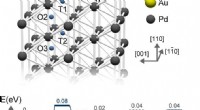
* Activation Energy: This is the minimum amount of energy required for molecules to react. Think of it like the "hump" a molecule has to climb to get over to become a product.
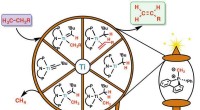
* Catalyst's Role: A catalyst provides an alternative reaction pathway with a lower activation energy. This means the molecules need less energy to react, leading to a faster reaction rate.
Key Points:
* Catalysts are not consumed in the reaction. They simply facilitate the reaction.
* Catalysts do not change the equilibrium position of a reaction. They only speed up the rate at which equilibrium is reached.
Let me know if you'd like more details on how catalysts work!