The Reaction:
* Aluminum (Al) + Acid (H+) → Aluminum Salt + Hydrogen Gas (H2)
What Happens:
* Aluminum is a reactive metal.
* When it comes into contact with an acid, the acid's hydrogen ions (H+) react with the aluminum.
* This reaction releases electrons from the aluminum atoms, forming aluminum ions (Al3+).
* The released electrons then combine with hydrogen ions to form hydrogen gas (H2).
Important Considerations:
* Strength of the Acid: Stronger acids, like hydrochloric acid (HCl) and sulfuric acid (H2SO4), react more vigorously with aluminum than weaker acids, like acetic acid (vinegar).
* Presence of an Oxide Layer: Aluminum naturally forms a protective oxide layer on its surface. This layer can slow down or prevent the reaction, especially with weaker acids.
* Conditions: Temperature and the concentration of the acid also influence the reaction rate.
Example:
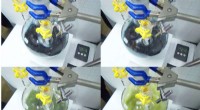
* If you place a piece of aluminum foil in hydrochloric acid, you will see bubbles of hydrogen gas forming on the surface of the aluminum. The solution will also become warm as the reaction releases heat.
Safety:
* Be careful when working with acids and metals as the reaction can be exothermic (produce heat) and can lead to corrosive fumes.
* Always wear appropriate safety gear and work in a well-ventilated area.
Let me know if you have more questions about this reaction!