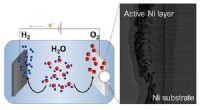
A chemical reaction *always* involves the formation of new substances.
This means the atoms within the reactants (starting materials) rearrange to create entirely different molecules with different properties.
Here's why the other evidence suggests a reaction has occurred:
* Color Change: A change in color often indicates a new substance has formed.
* Gas Production: Bubbles or fizzing signify the release of a gas, which is a new substance.
* Precipitate Formation: A solid forming from a solution (like a cloudy appearance) means a new solid substance has been created.
* Temperature Change: Either heat being released (exothermic) or absorbed (endothermic) indicates that energy is being transformed, a hallmark of a chemical reaction.
* Light Emission: If light is produced, it's a sign that energy is being released, again indicating a chemical change.
Important Note: While these changes *suggest* a reaction has occurred, they don't *guarantee* it. Sometimes physical changes can mimic these signs (like dissolving salt in water).
The real proof of a chemical reaction lies in the creation of new substances with different properties.