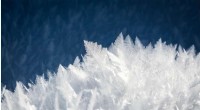
* Interference during growth: Minerals often grow in cramped environments within rocks. This means they might bump into other minerals, run out of space, or encounter changing chemical conditions. These interruptions disrupt the smooth, symmetrical growth of the crystal.
* Rapid cooling: Minerals that cool quickly, like those forming in volcanic lava, often lack the time to form well-defined crystals.
* Multiple crystals growing together: Minerals often grow in clusters, and these individual crystals can compete for space, leading to irregular shapes.
* Fractures and cleavages: Even perfectly formed crystals can be broken or chipped, leading to a less-than-ideal appearance.
* Weathering and erosion: Over time, exposure to elements like wind, water, and ice can wear down the edges and surfaces of crystals, obscuring their true shape.
It's important to note that:
* Even though many mineral samples don't show perfect crystal forms, their internal structure remains crystalline. This internal arrangement of atoms determines their unique physical and chemical properties.
* Many minerals can be identified based on their crystal habits (typical shapes) even if they aren't perfectly formed.
Let me know if you'd like to delve deeper into any of these aspects!