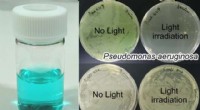
Chlorine:
* Disinfection: Chlorine is a powerful disinfectant that kills harmful bacteria and viruses in water. This is crucial to prevent waterborne diseases like typhoid fever, cholera, and dysentery.
* Controlling Microbial Growth: Chlorine helps to control the growth of bacteria and algae in the water distribution system, maintaining water quality throughout its journey to your tap.
Fluoride:
* Dental Health: Fluoride is added to water to strengthen tooth enamel, making teeth more resistant to cavities. This is a public health measure that aims to prevent tooth decay, especially in children.
Important Notes:
* Chlorine levels are carefully monitored: Water treatment plants ensure that chlorine levels are within safe limits to effectively kill harmful organisms while not posing a health risk.
* Fluoride levels are also monitored: The amount of fluoride added to water is carefully controlled to ensure it benefits dental health without reaching levels that could cause fluorosis (discoloration of tooth enamel).
* Not everyone supports fluoridation: Some people have concerns about the safety of fluoride, while others object to the idea of adding anything to the water supply without individual consent.
In summary, chlorine is added to water to kill harmful bacteria and viruses, while fluoride is added to strengthen teeth and prevent cavities.