Here's a breakdown:
* Water vapor: This is the gaseous form of water, invisible to the naked eye. It's present in the atmosphere, and its amount varies depending on location and temperature.
* Condensation: When water vapor cools, it changes from a gas to a liquid, forming tiny water droplets.
* Clouds: These droplets, suspended in the air, are what we see as clouds.
* Stratus and cirrus: These are types of clouds with different appearances and characteristics.
Here's how it works:
1. Evaporation: Water on the Earth's surface (oceans, lakes, rivers, etc.) evaporates and turns into water vapor.
2. Rising Air: Warm air rises because it's less dense than cooler air. As the air rises, it cools.
3. Condensation: When the air cools enough, the water vapor in it reaches its dew point, where it condenses into tiny water droplets.
4. Cloud Formation: These tiny water droplets, together with ice crystals in colder air, form clouds.
Stratus and cirrus clouds have different forms of condensed moisture:
* Stratus: These are low-lying, layered clouds made up mostly of liquid water droplets.
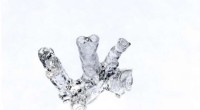
* Cirrus: These are high-altitude, wispy clouds made up mostly of ice crystals.
So, while clouds themselves are visible, the actual condensed moisture within them is the tiny water droplets and ice crystals, formed from water vapor.