Combustion:
* Burning fuels: When fuels like wood, propane, or natural gas are burned in the presence of oxygen, they release energy and produce water and carbon dioxide.
* Burning hydrocarbons: The complete combustion of hydrocarbons like methane, ethane, and propane results in the formation of carbon dioxide and water.
Neutralization:
* Acid-base reactions: When an acid reacts with a base, they neutralize each other, forming salt and water. For example, the reaction of hydrochloric acid (HCl) with sodium hydroxide (NaOH) produces sodium chloride (NaCl) and water (H₂O).
Dehydration reactions:
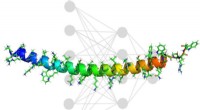
* Condensation reactions: In the formation of many organic molecules, water is released as a byproduct. For example, the formation of a peptide bond between two amino acids involves the release of a water molecule.
* Esterification: The reaction of a carboxylic acid with an alcohol produces an ester and water.
Other reactions:
* Reaction of alkali metals with water: When alkali metals like sodium and potassium react with water, they produce hydrogen gas and a solution of the corresponding hydroxide. This reaction also produces heat, often enough to ignite the hydrogen gas.
* Reaction of metal oxides with acids: When metal oxides react with acids, they form salts and water.
Important Note: The amount of water produced in a reaction depends on the specific reactants involved and the conditions of the reaction.
If you have a specific reaction in mind, please provide more context so I can provide you with a more tailored response!