Understanding Precipitation Reactions
A precipitate forms when two solutions containing ions react to produce an insoluble compound that comes out of solution as a solid.
Key Principles
* Solubility Rules: Use solubility rules to predict which ionic compounds are soluble and which are insoluble in water.
* Sulfides: Many sulfides are insoluble, especially those of transition metals.
Applying the Principles
To determine which combinations could yield a precipitate, you need to consider the following:
1. Identify the ions present: Determine the ions that are present in each solution.
2. Apply solubility rules: Use solubility rules to predict whether a combination of those ions will form an insoluble sulfide.
Example
Let's say you have solutions containing the following ions:
* Solution 1: Cu²⁺ (copper(II) ions)
* Solution 2: S²⁻ (sulfide ions)
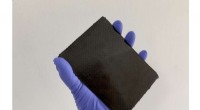
If you mix these solutions, copper(II) sulfide (CuS) will form, which is an insoluble black solid. This would be a precipitation reaction.
How to Determine the Combinations
You'll need to provide me with the specific solutions you're interested in. Please list the ions present in each solution. I can then help you determine which combinations could lead to the formation of a black precipitate.