1. Spattering: As the water evaporates, the solution becomes increasingly concentrated. This concentrated salt solution can easily splatter due to:
* Boiling point elevation: Adding salt to water raises its boiling point. This means the solution will be hotter than pure water at its boiling point, increasing the potential for violent boiling and spattering.
* Superheating: If the solution is heated too quickly or unevenly, the water can superheat. This means it reaches a temperature above its boiling point without actually boiling. Any disturbance can then cause the water to suddenly boil explosively, leading to spattering.
2. Crystallization and "bumping": As the solution continues to evaporate, the salt concentration increases further. When the solution becomes supersaturated, salt crystals can start forming. These crystals can act as nucleation sites, causing the remaining water to boil rapidly and potentially "bump" or erupt out of the container.
3. Potential for burns: The heated solution and any spattering can cause severe burns.
Safety Precautions:
* Use appropriate glassware: A beaker with a large surface area is preferred to allow for even heating and minimize spattering.
* Heat gently and slowly: Avoid rapid heating to prevent superheating.
* Use a stirring rod: Continuously stir the solution to ensure even heating and prevent salt crystals from forming.
* Use a hot plate with a magnetic stirrer: This can help prevent bumping and ensure even heating.
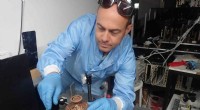
* Wear appropriate protective gear: Safety glasses and gloves are essential to protect your eyes and skin.
* Work in a well-ventilated area: The fumes from the heated solution can be irritating.
By taking these precautions, you can safely and efficiently evaporate water from a NaCl solution.