C₆H₁₂O₆ + 6O₂ → 6CO₂ + 6H₂O + Energy (ATP)
This equation represents the breakdown of glucose (C₆H₁₂O₆) in the presence of oxygen (O₂) to produce carbon dioxide (CO₂), water (H₂O), and energy in the form of ATP (adenosine triphosphate).
Here's a breakdown of the equation:
* C₆H₁₂O₆: Glucose, the primary fuel source for cellular respiration.
* 6O₂: Six molecules of oxygen, which act as the electron acceptor in the process.
* 6CO₂: Six molecules of carbon dioxide, a waste product of respiration.
* 6H₂O: Six molecules of water, another waste product of respiration.
* Energy (ATP): The energy released during respiration is captured in the form of ATP, which is the primary energy currency of cells.
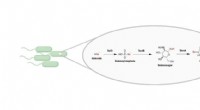
Important Note: This equation represents the overall process of cellular respiration, which actually involves several intermediate steps:
1. Glycolysis: Glucose is broken down into pyruvate.
2. Krebs Cycle (Citric Acid Cycle): Pyruvate is further oxidized, generating ATP and electron carriers (NADH and FADH₂).
3. Electron Transport Chain: Electrons from NADH and FADH₂ are passed along a chain of molecules, driving the production of ATP.
While the simplified equation shows the overall input and output of cellular respiration, understanding the individual steps provides a more complete picture of this vital process.