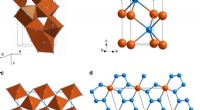
* Crystal Structure: Sodium chloride (NaCl) has a cubic crystal structure. This means the atoms are arranged in a repeating pattern of cubes.
* Cleavage: Sodium chloride has perfect cubic cleavage. This means it tends to break along its crystal planes, creating new surfaces that are also cubes.
* Irregularity: While the cleavage produces cubic shapes, the chips will likely be irregular due to the force of the impact that caused the chip. The edges and corners might be jagged or uneven.
In summary: Even though the original crystal is cubic, the chipped pieces will likely be irregular but still show a tendency towards cubic shapes due to the mineral's crystal structure and cleavage.