1. Damage to Forests:
* Direct Impact: Acid rain directly harms trees by damaging their leaves and needles, making them more vulnerable to disease, insects, and harsh weather.
* Indirect Impact: Acid rain leaches essential nutrients like calcium and magnesium from the soil, making it difficult for trees to grow. It also releases toxic aluminum into the soil, further hindering growth.
2. Damage to Lakes and Rivers:
* Acidification: Acid rain lowers the pH of lakes and rivers, making them more acidic. Many aquatic organisms, especially fish, are sensitive to changes in pH and can die in highly acidic water.
* Impact on Food Web: The acidification of lakes and rivers disrupts the entire ecosystem. It can reduce populations of fish, invertebrates, and other aquatic life, impacting the food web.
3. Damage to Buildings and Infrastructure:
* Corrosion: Acid rain accelerates the corrosion of metals, particularly iron and steel. This leads to damage to buildings, bridges, statues, and other infrastructure.
* Stone Degradation: Acid rain can also erode and damage stone structures, leading to discoloration, weakening, and even crumbling.
4. Soil Degradation:
* Nutrient Loss: Acid rain washes away essential nutrients from the soil, making it less fertile and reducing crop yields.
* Aluminum Toxicity: As mentioned earlier, acid rain releases aluminum into the soil, which is toxic to plants.
5. Human Health Impacts:
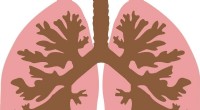
* Respiratory Problems: Acid rain can contribute to respiratory problems in humans by increasing the concentration of harmful particles in the air.
* Water Contamination: Contaminated water sources can lead to health problems like kidney stones, heart problems, and even cancer.
6. Economic Costs:
* Reforestation: Reforestation efforts are needed to restore damaged forests.
* Infrastructure Repair: Significant costs are incurred to repair and maintain buildings and infrastructure damaged by acid rain.
* Loss of Tourism: Acid rain can damage natural attractions, leading to a decline in tourism revenue.
Mitigation Efforts:
* Reducing Emissions: The primary source of acid rain is sulfur dioxide and nitrogen oxides, which are released from burning fossil fuels. Reducing these emissions through cleaner energy sources, improved industrial processes, and stricter regulations is crucial.
* Limestone Treatment: Adding limestone to acidic lakes and rivers can neutralize the acidity and protect aquatic life.
* Conservation Efforts: Protecting and restoring natural habitats can enhance their resilience to the effects of acid rain.
It's important to understand the far-reaching consequences of acid rain and take collective action to reduce its impact on our environment.